
Nutrition and fertility: what to eat and what to avoid for your reproductive health
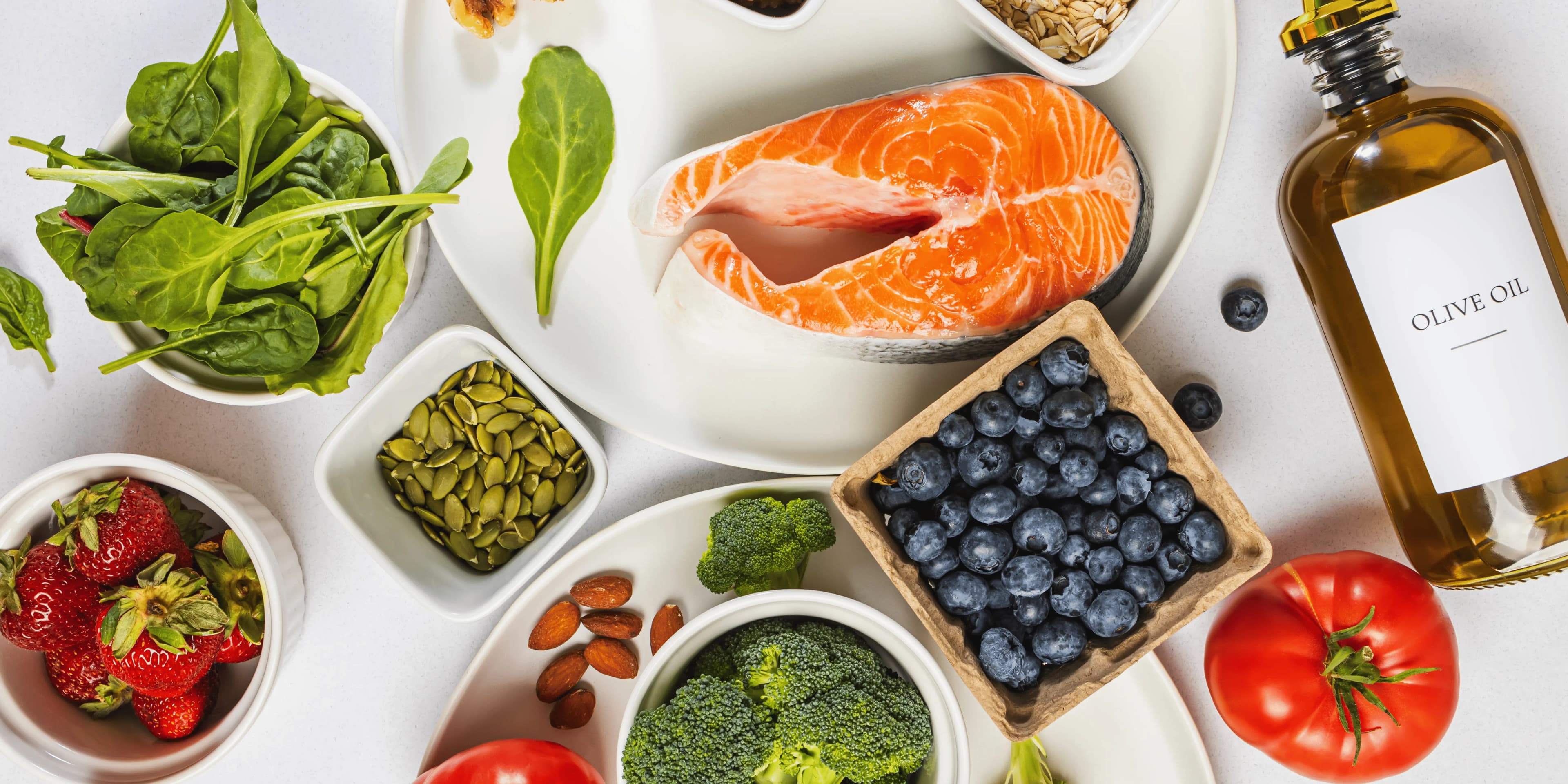
Food plays a key role in reproductive health. Knowing which foods to prioritise and which to limit helps you take an active role in looking after your fertility.
What you should include in your diet
- A variety of fruit and vegetables
- Quality protein: from fish, eggs, pulses, lean meat, and dairy
- Healthy fats: from foods such as nuts, extra virgin olive oil, seeds, avocado, and small oily fish
- Whole grains: such as quinoa, oats, or brown rice
What you should limit
- Ultra-processed foods and fast food
- Foods and drinks high in sugar or artificial sweeteners
- Alcohol
- Foods high in saturated and trans fats
- Large oily fish
- Refined flours
Nutrition and fertility myths
1. "Eating lots of sweets or simple carbs boosts energy and helps fertility" — False
Although carbohydrates are a source of energy, simple carbs (sugar, pastries, fizzy drinks, refined flours) cause spikes in glucose and insulin, which can disrupt hormonal balance.
The evidence shows that elevated insulin levels are associated with ovarian resistance, polycystic ovary syndrome (PCOS), and lower egg quality. Instead, the recommendation is to go for complex, high-fibre carbohydrates (oats, pulses, vegetables, whole grains).
2. "Eating lots of animal protein promotes fertility" — False
An excess of animal protein (particularly red and processed meats) is associated with bodily inflammation, oxidative stress, and potential ovulatory dysfunction.
Evidence has shown that women with a higher intake of plant protein had a lower risk of ovulatory infertility compared to those whose diet was mainly animal protein.
Recommendation: a balance between lean animal protein (fish, chicken, eggs) and plant protein (pulses, tofu, nuts) supports better reproductive health.
3. "Dairy should be cut out of the diet to improve fertility" — False
There's no solid evidence that dairy has a negative impact on fertility for people without intolerance or allergy.
In fact, some studies suggest that full-fat dairy may be beneficial for ovulatory function, while skimmed versions could have the opposite effect.
Recommendation: what matters is balance and individual tolerance.
4. "Coffee or caffeine causes infertility" — False
Moderate consumption (up to 200 mg a day, roughly two cups of coffee) has no negative effect on fertility. The evidence indicates that problems arise with high doses (>500 mg/day), which can disrupt the menstrual cycle or increase the risk of miscarriage.
Recommendation: enjoy coffee in moderation.
If you'd like personalised nutritional guidance to support your fertility, get in touch. We offer online and in-person consultations in English, Spanish, and Catalan.