
Endometriosis: Definition, Fertility, and Pelvic Floor Physiotherapy
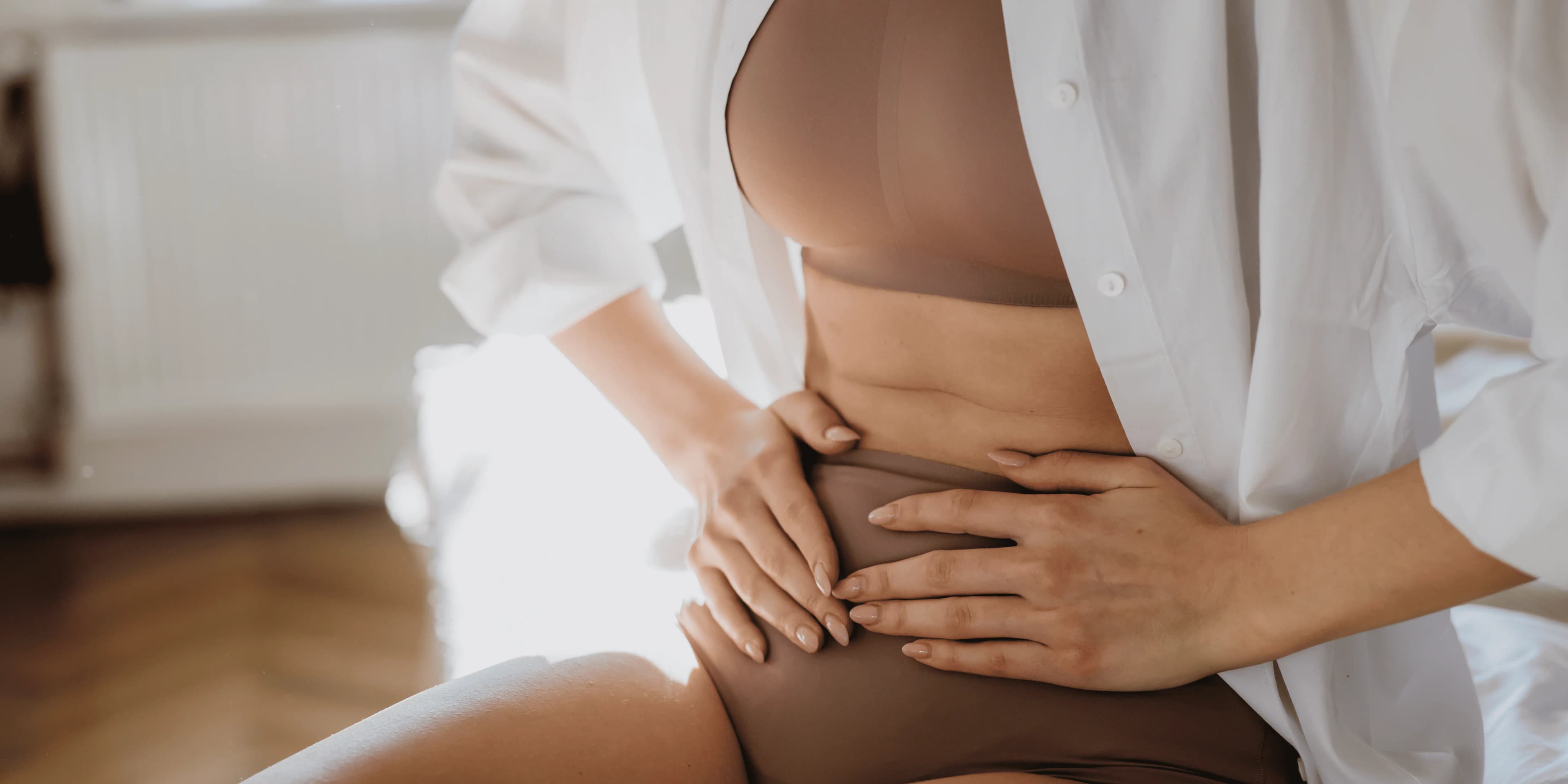
Endometriosis is a highly prevalent gynaecological condition. It is inflammatory, chronic, and hormone-dependent. There is no cure, but factors such as a poor diet, emotions, and even stress can have a negative impact on how it affects you.
What is endometriosis?
Endometriosis is an often painful condition in which tissue similar to the lining of the uterus grows outside of it. It frequently affects the ovaries, the fallopian tubes, and the tissue lining the pelvis. It's rare for endometrial growths to be found beyond the pelvic organs.
This misplaced endometrial tissue, just like the tissue lining the inside of the uterus, responds to the hormones of the menstrual cycle — mainly oestrogens.
With each menstrual cycle, the endometrial tissue grows and thickens, and if there is no pregnancy, it breaks down and is shed during menstruation. However, the endometrial tissue that lies outside the uterus has no way to leave the body, which creates a range of problems.
This process creates localised inflammation and can trigger an immune response in the body, leading to the formation of scarring, adhesions, and cysts — particularly on the ovaries, known as endometriomas.
Endometriosis can affect us on different levels: infertility, pain, involvement of other organs, or it can even be entirely asymptomatic. It can be present from childhood through to old age.
How does endometriosis affect fertility?
Endometriosis affects fertility by creating scars and adhesions that block the fallopian tubes, by causing inflammation in the ovaries and uterus that disrupts ovulation and embryo implantation, and it can reduce ovarian reserve.
- Between 25% and 40% of women with endometriosis experience infertility, though many are able to conceive — particularly with medical treatment or assisted reproduction such as IVF
- 10% of women of reproductive age live with endometriosis
Endometriosis symptoms can mimic those of other, non-gynaecological conditions, which is why women often see several different professionals before receiving a diagnosis — there is no specific biomarker for the disease, and public awareness remains limited.
How can pelvic floor physiotherapy help?
Pelvic floor physiotherapy offers a range of techniques that can help reduce or manage endometriosis symptoms:
- Postural and functional re-education: correcting movement patterns that may be contributing to pain or muscle dysfunction
- Targeted exercises aimed at restoring muscle tone and improving flexibility in the pelvic area
- Chronic pain relief through myofascial release and tissue mobilisation techniques, reducing muscular tension and improving blood flow
- Guided relaxation exercises and breathing techniques to ease pain and improve pelvic floor function
- Abdomino-diaphragmatic breathing exercises
- Self-massage and diaphragmatic release using manual techniques
- Targeted stretching: lower back, abdominal wall, rib cage, iliopsoas, pelvitrochanteric muscles, glutes, and more
- Pelvic mobilisations using Pilates equipment to improve flexibility in the pelvic region
- Pelvic floor muscle training
- Perineal self-massage techniques, prescribed and supervised by a pelvic floor specialist
- An integrated approach: low-impact exercises to activate the body and release endorphins
These techniques can help improve quality of life and ease chronic pelvic pain, sexual dysfunction (dyspareunia), digestive and bowel issues, and overall pelvic floor function.
Every case is individual and should be treated by a qualified professional with expertise in this area, who will guide the steps to take in the right order and at the right time.
If you're living with endometriosis and would like professional support, get in touch. We offer online and in-person consultations in English, Spanish, and Catalan.